People’s Health Project begins with communities - not with a preselected issue.
Through Listen. Share. Act., community experience is connected with relevant evidence and developed into a focused campaign for health fairness.
how we work
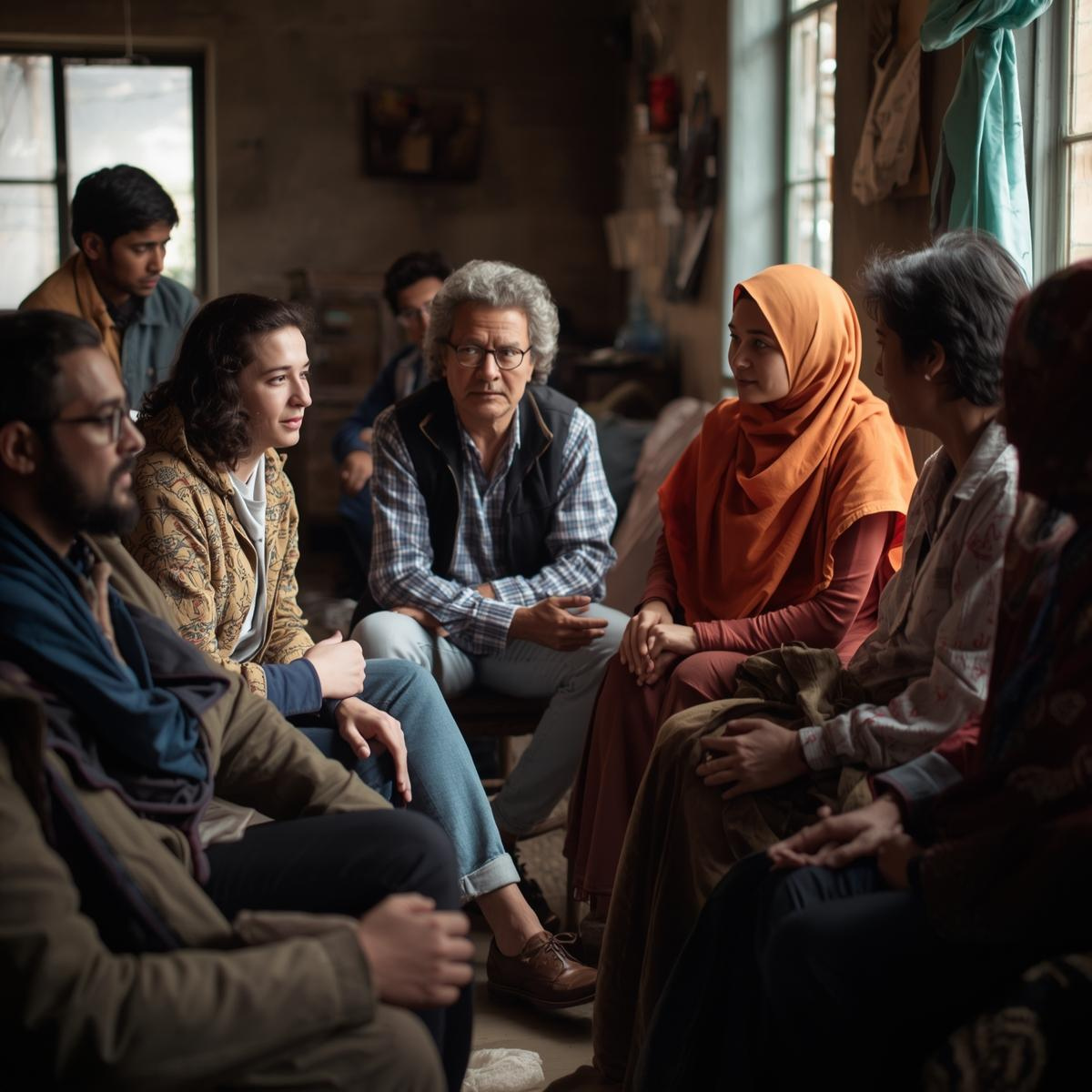
Step 01LISTEN
Begin with what people are experiencing
Communities often recognize health challenges long before those issues receive broader attention. Listening helps clarify what is happening, who is affected, and what feels most urgent to change.
The form that listening takes will depend on the issue and community. What matters is creating a responsible way for people closest to the concern to help define it.
Listen reveals: community priorities and a clearly defined health concern.

Step 02SHARE
Turn community knowledge into public evidence
Community perspectives and relevant evidence come together in a public Community Health Impact Report.
The report explains what is happening, why it matters, who is affected, the conditions contributing to the concern, and the change the campaign is seeking. It creates a resource that decision-makers, journalists, organizations, and members of the public can understand and respond to.
Share creates: a Community Health Impact Report and greater public understanding.
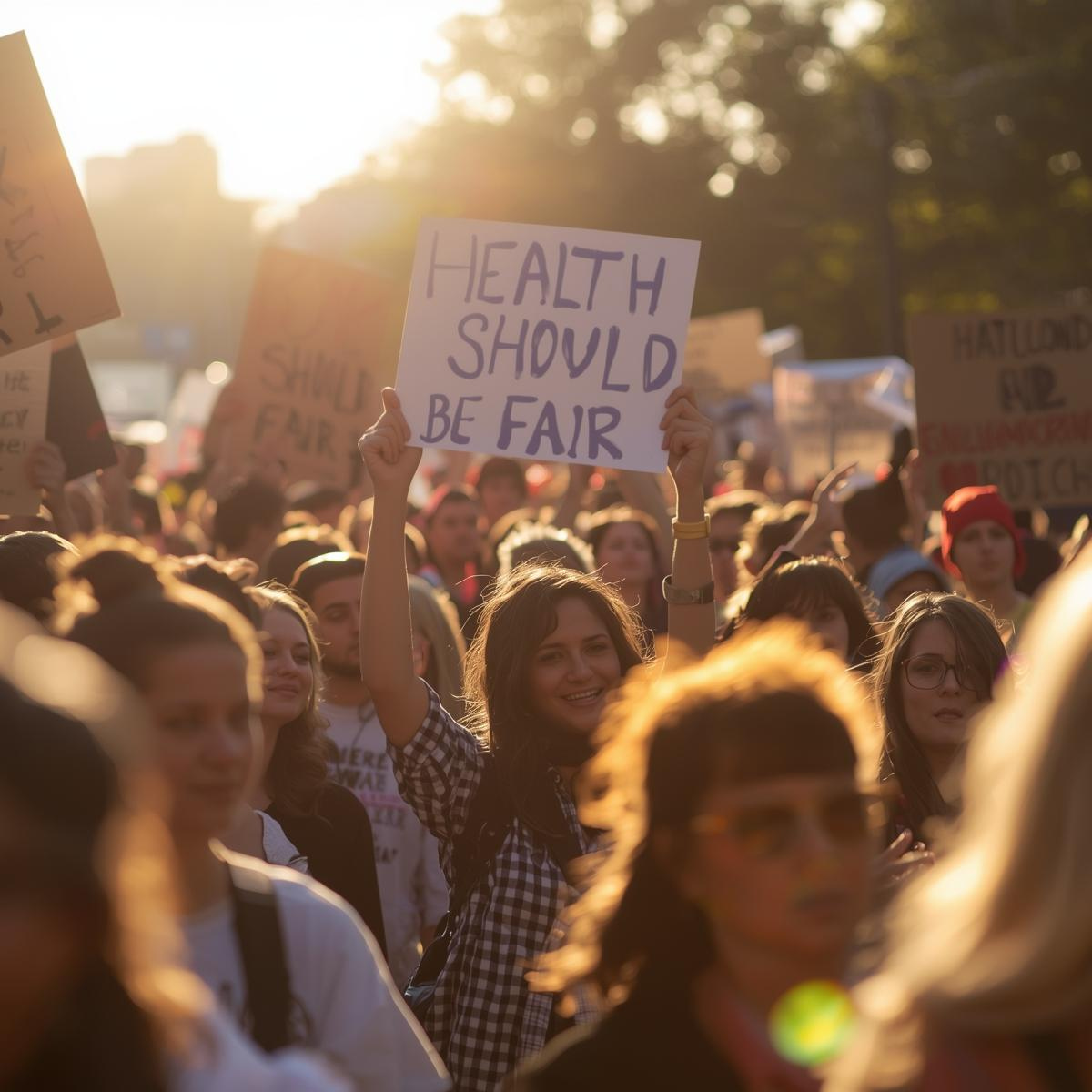
Step 03ACT
Build support for practical change
The Community Health Impact Report becomes a foundation for organized action.
Campaign teams identify the change being sought, the people or institutions with the power to act, and practical ways to reach wider audiences, invite participation, and build momentum. Approved campaigns launch through People’s Health Project with access to broader visibility and public support.
Act advances: a focused campaign designed to help influence real-world decisions.
Most advocacy platforms begin with a preselected issue and ask communities to support it. People’s Health Project begins with what communities are experiencing and builds the campaign from there.
That difference affects who defines the problem, whose knowledge becomes part of the public record, and what change the campaign ultimately seeks.
Each approved campaign produces one central public resource: the Community Health Impact Report. The report preserves the concern, evidence, and community perspective beyond a single action or moment in time.